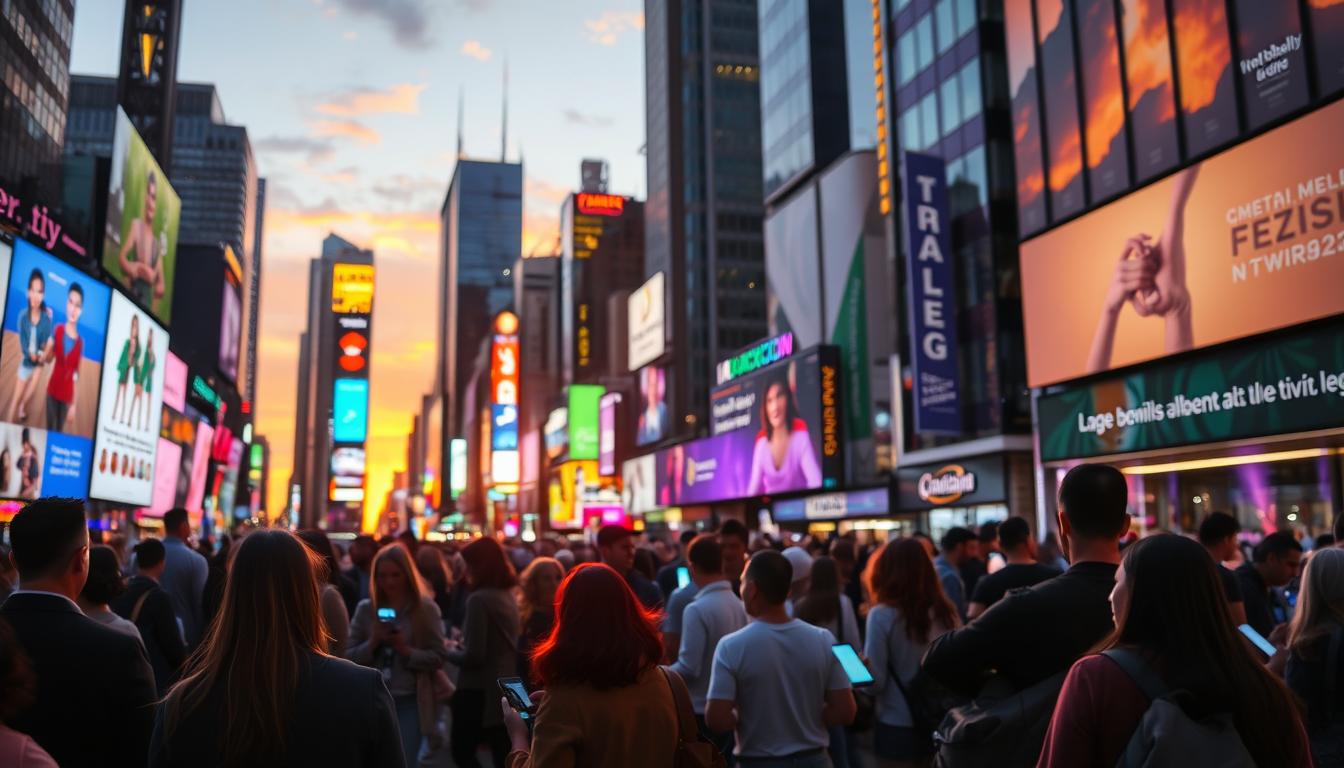
Social media has changed how we talk, learn, and connect with others. It deeply affects our daily lives. From keeping in touch with loved ones to following the latest trends, these platforms are key to our worldviews.
Understanding social media’s role in our lives is vital. The trends that come and go show what we value and need. This article will look at how social media changes our communication, work, and learning. We’ll see how it shapes our daily routines and why it matters.
Understanding Social Media Impact
Social media has a big impact on our lives. Social media marketing helps businesses reach many people. But, too much social media can harm our mental health. Studies link it to more depression and anxiety.
It lets people share messages and inspire others. This shows how important it is to talk about social media and mental health.
Research says social media can be good or bad for our minds. It can make us feel connected but also lonely. We need to know how social media affects us and find ways to stay healthy.
A healthy balance between social media use and real-life interactions is essential for maintaining good mental health. By being mindful of our social media use and taking breaks when needed, we can promote a positive and healthy relationship with social media.
Positive Effects of Social Media on Communication
Social media has changed how we talk to each other. It lets us make and keep social media and relationships across distances. We can meet people from all over, creating global groups and networks. This way, we share ideas and stories with more people.
Studies show social media is good for our personal and work lives. Sites like Facebook and Twitter help us keep in touch with distant loved ones. They also connect us with others who share our interests, forming supportive online communities.
Understanding social media’s good sides is key. It helps us form deeper connections and grow our social circles. By using social media well, we improve our communication skills. It’s a big part of our lives, full of chances to connect and learn.
By embracing the positive effects of social media on communication, we can harness the power of social media to build stronger, more resilient relationships and communities, both online and offline.
The Influence of Social Media on Business
Social media is key for businesses to connect with their audience and grow their brand. Effective social media marketing helps companies boost their brand, drive traffic to their site, and make sales. Many big brands have seen great success with their social media campaigns, getting a good return on their investment.
For example, Coca-Cola and Nike use social media to talk to their customers, share their stories, and promote their products. This helps them keep a strong online presence and stay ahead. Social media and business are now closely linked, and companies that don’t keep up risk falling behind.
As social media keeps changing, businesses need to keep up with new trends and strategies. They should use analytics tools to check their performance, answer customer feedback, and make content that speaks to their audience. This way, companies can fully use social media marketing to reach their goals.
By using social media, businesses can build strong bonds with their customers, increase loyalty, and grow over time.
In summary, social media has changed how businesses work and talk to their customers. By using social media and business strategies, companies can stay ahead and succeed in today’s digital world.
Social Media’s Role in Education
Social media has changed how we learn and find information. It’s now a key part of education. Students can talk to teachers and friends, find learning resources, and join online talks. This makes learning more fun and interactive.
Research shows social media helps spread the word about education. For instance, online campaigns boost literacy efforts. Social media platforms also share learning tools and help services. This makes schools more welcoming and supportive.

Social media’s role in education will grow. Teachers using it can spark new ways for students to work together and learn. Through online discussions, social media groups, or educational podcasts, learning can become more engaging and interactive.
By using social media in education, we can make learning more connected, collaborative, and inclusive. This supports the needs of all students.
The Dark Side of Social Media
Social media deeply affects our lives, but it also has a dark side. Online harassment and cyberbullying are big problems. They hurt many users, mostly teens and young adults. Studies show these issues can cause a lot of emotional pain and anxiety.
Also, social media’s effect on mental health is complex. Some research links too much social media to more depression and anxiety. This is worrying because social media and mental health are closely tied. The endless stream of perfect images can make us feel bad about ourselves and push us to buy more.
We must recognize social media companies’ role in solving these problems. Many people want more rules and for companies to take action against online bullying. By teaching good social media habits and helping victims, we can make the internet safer and happier.
As we explore social media, we must focus on our mental health. Knowing the risks and taking steps to avoid them helps us use social media for good. It lets us build strong connections and make positive changes.
Social Media and Politics
Social media is key for political engagement. It lets people connect with politicians, share thoughts, and keep up with news. This mix of social media and politics has changed how we talk about and act on political issues. It makes it easier to have real-time talks and start social movements.
Twitter is a great example of social media and political campaigns working well. Politicians use it to share their plans and talk to voters. This makes things more open and honest, as people can ask questions and get answers. Social media also helps spread the word about big issues like climate change and social justice.

The effect of social media and political engagement is clear. It has changed how we talk about politics. Social media lets people join online discussions, share their views, and shape public opinion. This has opened up new ways for social media and politics to meet, with politicians and citizens finding new ways to interact.
The use of social media in politics can boost civic involvement, mainly among the young. Politicians can use social media to reach more people and connect better with their supporters.
The link between social media and politics is complex. Social media can help with social media and political engagement, but it also has downsides. It can spread false information and make people doubt institutions. As social media grows, it’s important to understand its role in politics and find ways to use it for good.
The Impact of Social Media on Mental Health
Research shows a complex link between social media and mental health. Social media can harm mental health, causing more depression and anxiety. Yet, it’s also used to spread awareness about mental health issues.
Many groups and people use social media to fight stigma and promote positive body image. This helps in raising awareness and support for mental health.
A study by the National Alliance on Mental Illness found social media’s power. It creates a sense of community for those struggling with mental health. It also makes it easier to find help and resources.
The effect of social media on mental health is complex and needs more study. By focusing on social media and mental health awareness, we can build a better online community. It’s key to keep promoting social media and mental health support as we explore this relationship.
“Social media can be a powerful tool for promoting mental health awareness and support, but it is essential to use these platforms responsibly and with sensitivity towards individuals who may be struggling with mental health issues.”
How Social Media Shapes Trends
Social media has become a big player in shaping cultural trends. Sites like Instagram, Twitter, and Facebook let us find new music, fashion, and art. They also help us connect with others who like the same things. This has made a global community where social media and trends are closely linked.
Social media has also played a key role in promoting social justice. Hashtags like #BlackLivesMatter and #MeToo have sparked big conversations. They’ve also helped people come together to make a difference. It’s also used to push for trends like sustainable fashion and eco-friendly living.

But, social media’s effect on cultural trends isn’t all good. Some say it can make all cultures seem the same, losing local traditions. Yet, social media is a strong tool for shaping and sharing social media and trends. Its influence is set to grow even more in the future.
As social media keeps changing, it will be fascinating to see how it affects and is affected by social media and cultural trends. One thing is clear, though: social media is here to stay. Its impact on our lives and culture will only get bigger.
The Evolution of User Privacy on Social Media
Social media is a big part of our lives, but privacy concerns are growing. People are worried about how companies use their personal data. In response, social media sites have added new privacy features and data protection policies. They aim to give users more control over their info.
Privacy and social media go hand in hand. Users share a lot of personal data online. Companies must find a balance between needing data and protecting users’ privacy. Strong data protection policies help build trust with users.
Many users are taking steps to protect their privacy online. They adjust privacy settings and share less info. Social media companies need to keep up with these changes. They must focus on protecting user data to keep the online world safe and trustworthy.
By prioritizing user privacy and data protection, social media companies can build trust with their users and create a positive online experience.
The future of user privacy on social media depends on companies finding the right balance. Working together, companies, users, and regulators can make the internet safer. This way, social media and user privacy will be top priorities.
Examining Generational Differences in Social Media Usage
Understanding social media and generational differences is key today. Younger users are more active on social media. Older users are also joining in. This shows how important it is to think about social media and age when making social media plans.
Studies show each generation likes different social media. Younger people like Instagram and TikTok. Older folks prefer Facebook and Twitter. Knowing these generational differences helps businesses reach their audience better.

Also, social media and age affect how we use it. As we get older, our social media habits change. Older adults use it to stay in touch with family. Younger people use it for fun and to express themselves. Social media platforms can make features that meet these needs.
Looking into social media and generational differences gives us insights. This knowledge helps us make better social media plans. It also promotes healthy use and makes the online world more welcoming for everyone.
Preparing for the Future of Social Media
Looking ahead, social media and emerging technologies will change how we connect and share. Big names like Facebook and Twitter are looking into AI and VR to make things better. For example, Facebook uses AI to keep users safe and content in check.
The mix of social media and future trends will change how we see online content. With VR and AR on the rise, social media will get more real and fun. A Deloitte report says VR and AR use in social media will jump by 25% in two years.
As social media and emerging technologies grow, we must think about the risks. AI in social media can lead to bias and lack of transparency. Social media companies need to be open and fair in their tech use.
“The future of social media will be shaped by the intersection of technology and human behavior,” says Pew Research Center. As we move forward, it’s key to think about how social media and future trends will affect our world and culture.
Conclusion: Navigating the Social Media Landscape
Social media has changed our lives and society in many ways. It has made connecting with others around the world easier. But, it also brings challenges like fake news and threats to democracy.
We need to use social media wisely and learn how to spot fake information. We should also push for rules that make social media fair and safe. This way, we can use it to make our lives better and connect with others in meaningful ways.
Looking ahead, social media will keep changing our world. We must stay alert and use it responsibly. By doing so, we can make sure social media helps us grow and connect, not harm us.