
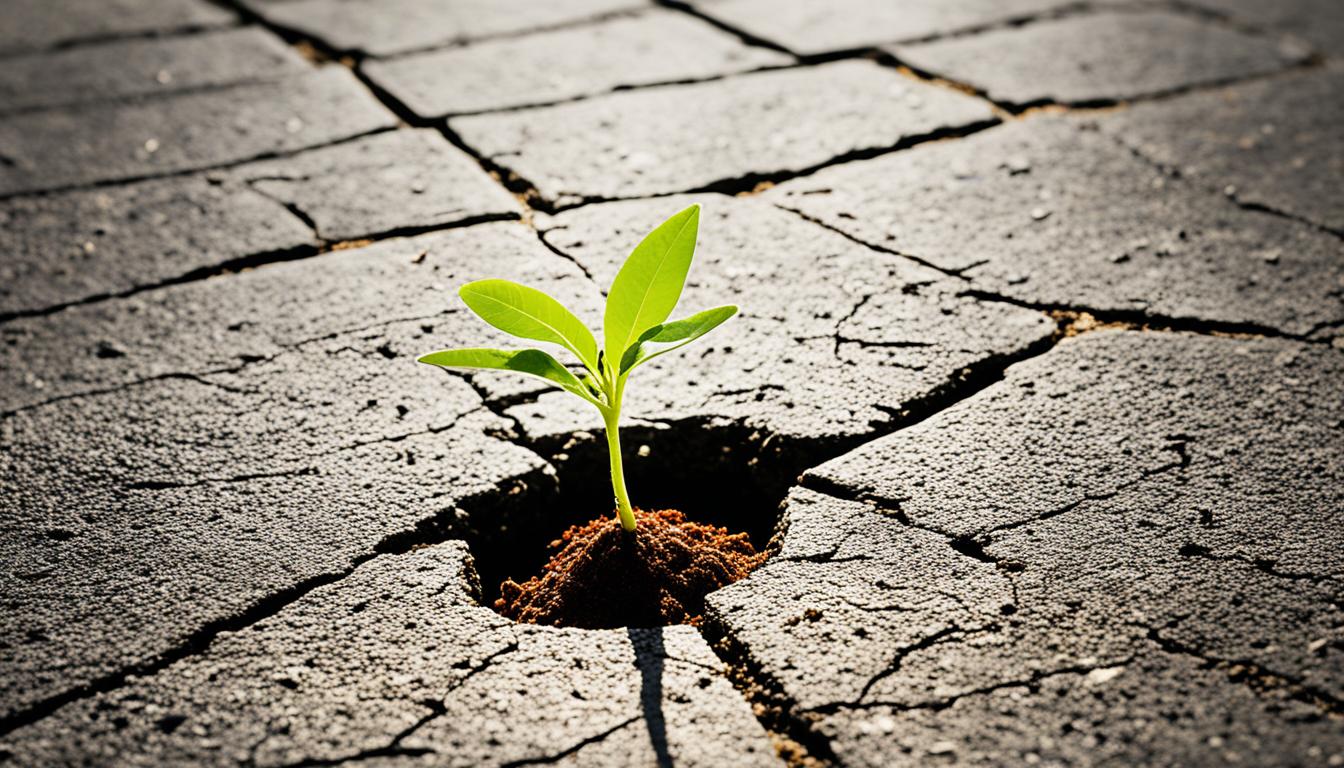
Failure is a key part of growing and succeeding. We shouldn’t see it as a failure but as a chance to change. By learning from our mistakes, we find new ways to grow and become more resilient. This article will show you how to turn failures into stepping stones for growth.
Failure can feel overwhelming, but it’s a normal part of learning. When we hit a roadblock, it’s easy to give up. But by changing how we think, we can use these moments to grow. Seeing failure as a way to learn and improve can help us grow in many ways.
Remember, failure doesn’t mean you’re not good enough. It’s a sign to dig deeper and learn more. With kindness towards ourselves and a readiness to change, we can overcome setbacks. This way, we keep moving forward in our journey of personal growth.
Embracing Failure as a Catalyst for Personal Growth
Failure is often seen as a bad thing, but it can really help you grow. To start improving yourself, change how you think about failure. See it not as a sign of your weakness, but as a key part of learning.
Reframing Your Mindset
Have a mindset that sees failures as chances to get better. This way, you can learn a lot from your mistakes. Remember, everyone fails sometimes. By seeing failure as a normal part of life, you can bounce back stronger.
Accepting Failure as a Natural Part of the Journey
Knowing that failure is part of growing up helps you handle life’s ups and downs better. By embracing failure, you open up to new lessons and skills. This mindset lets you face new challenges with more confidence and purpose.
Identifying Lessons from Your Setbacks
When you face a failure, it’s key to analyze what went wrong. Think about the factors that led to the outcome. This helps you learn from the experience and avoid future mistakes.
Learning from mistakes means being open to learning. Instead of focusing on the failure, be curious and explore what you can learn. Ask yourself, “What can I learn from this?” Look at your decisions, actions, and the outside factors that played a part.
Reflect on what you can improve from your setback. Maybe you made a decision too quickly or missed an important detail. Identifying these areas helps you create a plan to get better. This way, you can avoid similar mistakes in the future.
Learning from your failures is the first step to growing from them. By being open and curious, you can find valuable lessons. These lessons can help you move forward and succeed.
Developing Resilience and Perseverance
Failure can feel tough, but it’s also a chance to grow. Building resilience and perseverance helps you deal with challenges on your way to success. By thinking positively and being kind to yourself, you can turn failures into steps forward.
Cultivating a Growth Mindset
Having a growth mindset means seeing challenges as ways to learn and get better, not as dead ends. When you fail, those with this mindset look for what they can learn and how to do things better next time. This helps them keep going, knowing they’re making progress step by step.
Practicing Self-Compassion
Self-compassion is being kind and understanding to yourself, even when things don’t go well. It helps you avoid being too hard on yourself, which can hurt your confidence and resilience. Instead, you can see failures as chances to learn and take care of yourself, getting back up stronger and more ready to go.
Together, a growth mindset and self-compassion give you the mental strength to get past hurdles and keep moving towards your goals. By building resilience and perseverance, you can make failure a chance for growth and moving forward.

Analyzing the Root Causes of Failure
To truly learn from your failures, you need to dig deeper. This means looking at the real reasons behind them. By doing root cause analysis, you can see what really went wrong.
Start by looking at your actions and decisions closely. Think about what led to the setback. Understanding this can help you make better plans to avoid future failures.
Seeking Feedback and Honest Self-Reflection
Getting feedback from people you trust is key. This could be mentors, colleagues, or a coach. They can give you new insights you might have missed. This can help you see where you can improve.
But it’s also important to think about your own actions and decisions. Look at your thought process too. This can reveal things you didn’t see before, like biases or bad choices.
When you mix feedback from others with your own thoughts, you get a full picture. This helps you make smarter choices and avoid the same mistakes. It turns failure into a chance to grow and succeed.
Adapting and Pivoting Strategies
When you face failure, you often need to change your plans. Being flexible and open to new ideas is crucial for growth. Trying different methods can lead to new insights and better ways to reach your goals.
Failure is not the end. It’s a chance to look again and improve your approach. Be ready to make changes, big or small, to fit new situations. Being adaptable helps you move forward in personal and professional growth.
Being flexible is key to beating failure. Don’t stick too closely to your first plan. Instead, be open to changing and trying new things. By changing your strategies and improving your ideas, you might find new ways to succeed you hadn’t thought of.
Building a Support System
Dealing with failures and growing personally can be tough. But, having a strong support system can really help. Being around positive people and a supportive community gives you the emotional and practical help you need. This helps you bounce back from setbacks and keep moving towards your goals.
Surrounding Yourself with Positive Influences
It’s key to be around people who cheer you on, give helpful advice, and keep you on track. These positive people are vital for your growth. They could be a mentor, friends who think like you, or a network that believes in you.
Having a support system that keeps you accountable is crucial. It lets you learn from mistakes, get stronger, and stay focused on your goals. The support system, positive influences, and community you create are key to navigating your personal growth journey.

Remember, accountability is a big part of a strong support system. Be around people who push you, give honest feedback, and make you take responsibility for your actions. This kind of environment helps you see where you can get better and develop skills to beat your failures.
Celebrating Small Wins and Progress
Learning from failure and growing personally means celebrating your small wins. It’s key to keep your motivation up and your positive changes going. Even the smallest achievements matter and help you stay on track.
Positive reinforcement boosts your motivation and confidence. Celebrating small wins tells your brain you’re doing great. You can celebrate by treating yourself, sharing with loved ones, or just thinking about how far you’ve come.
Recognizing your progress keeps you moving forward. It’s not about what others think; it’s about your own growth. Celebrating small wins builds self-compassion and keeps you going, even when things get tough.
Overcoming Fear and Embracing Risks
Failure and fear often go together. This fear can stop us from taking risks for personal growth. But, it’s important to push ourselves and leave our comfort zones. This way, we can grow and find new chances for development.
By getting used to the unknown, we can take risks and beat the fear that held us back before.
Stepping Outside Your Comfort Zone
It’s scary to take risks and leave our comfort zones, but it’s key for personal growth. Trying new things, like a new hobby or a tough project at work, can help us discover ourselves. It can also make us stronger and more resilient.
By facing our fears and accepting the chance of failure, we open up to new possibilities. We learn new skills, see things from different angles, and grow as individuals.
The journey to personal growth is not easy. But, by facing our fears and taking risks, we can reach our full potential. It’s a brave path, but it’s one that leads to great personal growth.
Turning Failure into Motivation
Failure can be hard to accept, but it can also be a chance to grow. Instead of letting it get you down, turn it into motivation. Think about your big goals and let your failures help you move closer to them.
Being resilient is important. View failures as chances to learn and improve, not as the end. Every mistake is a way to get better and refine your plans. By seeing failure as a chance to learn, you can use your determination to reach your goals.
Channeling Disappointment into Determination
Setbacks can make you feel down, but don’t let them stop you. Change how you think and use your disappointment to drive you. Think about what went wrong, what you learned, and how you can do better next time. This way, you turn your feelings into action and grow as a person.
Successful people often face many failures. What makes them stand out is their ability to keep going and learn from their mistakes. Adopt this mindset and let your failures motivate you to move forward with more purpose.
Learning from Successful Failures
Success often comes from learning from failures. Even the top people have hit roadblocks on their way to success. Seeing failure as a part of growing helps us find lessons in our mistakes.
Big names like entrepreneurs and innovators have hit many walls. But they turn those walls into chances to learn and grow. They see failures as temporary hurdles, not permanent stops.
Looking at how these successful people bounced back can help us too. We can learn from Steve Jobs’ mistakes, J.K. Rowling’s rejections, or Michael Jordan’s hard times. These stories show how failures can spark growth.
It’s important to see failures as chances to learn, not just disappointments. This way, we don’t let failures stop us. Instead, they help us move forward.
Putting It All Together: Embracing Failure for Personal Growth
Learning to see failure as a chance for growth is a big step. It changes how you think, making you see failures as chances to learn and grow. Finding the lessons in your setbacks is key to growing personally.
Being resilient and persistent is crucial. Having a mindset that grows and being kind to yourself helps you see failure as a way to get better. Looking into why you failed and getting honest feedback helps you change and improve your plans.
On this path, it’s important to have people who support you and celebrate your small victories. Facing challenges and turning disappointment into determination moves you forward. By using what you’ve learned from failures, you can turn them into powerful tools for personal growth and happiness.